
The tragic Surfside condo collapse in 2021 was a wake-up call for property owners, building managers, and HOAs across the country. It highlighted the critical importance of 40/50-year building recertifications in ensuring structural integrity and occupant safety. If your building is approaching its 40th or 50th year, it’s essential to understand the recertification process, prepare effectively, and take proactive steps to avoid costly repairs or compliance issues.
In this guide, we’ll walk you through how to prepare for 40/50-year building recertifications, share lessons from the Surfside collapse, and provide actionable tips to ensure your building meets all safety and regulatory requirements.

Buildings naturally deteriorate over time due to environmental factors, wear and tear, and deferred maintenance. The 40/50-year recertification process ensures that aging structures remain safe for occupants and comply with local building codes. This process is especially critical in areas like South Florida, where humidity, saltwater, and hurricanes accelerate structural degradation.
The Surfside tragedy underscored the dangers of neglecting building maintenance and inspections. Key takeaways include:
Regular inspections can identify vulnerabilities before they become catastrophic.
Delaying repairs can lead to structural failures and higher repair costs.
Local governments are enforcing stricter recertification requirements to prevent future tragedies.
For more information on the Surfside collapse and its impact on building regulations, visit this article by the Miami Herald.
Begin preparing for recertification at least 2-3 years before your building’s 40th or 50th anniversary. This gives you ample time to address any issues identified during inspections.
Work with licensed structural and electrical engineers who specialize in building recertifications. Their expertise ensures a thorough evaluation of your property.
A pre-inspection helps identify potential issues early, allowing you to budget for repairs and avoid surprises during the official inspection.
Ensure the following components are inspected and maintained:
If issues are identified, address them immediately to avoid penalties or delays in the recertification process.
Keep detailed records of all inspections, repairs, and maintenance activities. This documentation will be required during the recertification process.
For a detailed checklist of what to expect during inspections, visit this guide by Perillo Construction.
A mandatory inspection process required for buildings 40 years or older to ensure structural and electrical safety.
Property owners, HOAs, or building managers are responsible for initiating the recertification process.
You’ll be required to address the identified issues and undergo a re-inspection to achieve compliance.
Costs vary depending on the size and condition of the building. Pre-inspections can help estimate potential expenses.
Failure to comply can result in fines, building closures, or even demolition in extreme cases.
Start early, hire qualified professionals, and address repairs promptly. Contact us for expert assistance.
Navigating the building recertification process can feel overwhelming, but we make it simple. Here’s what you can expect when you work with us:
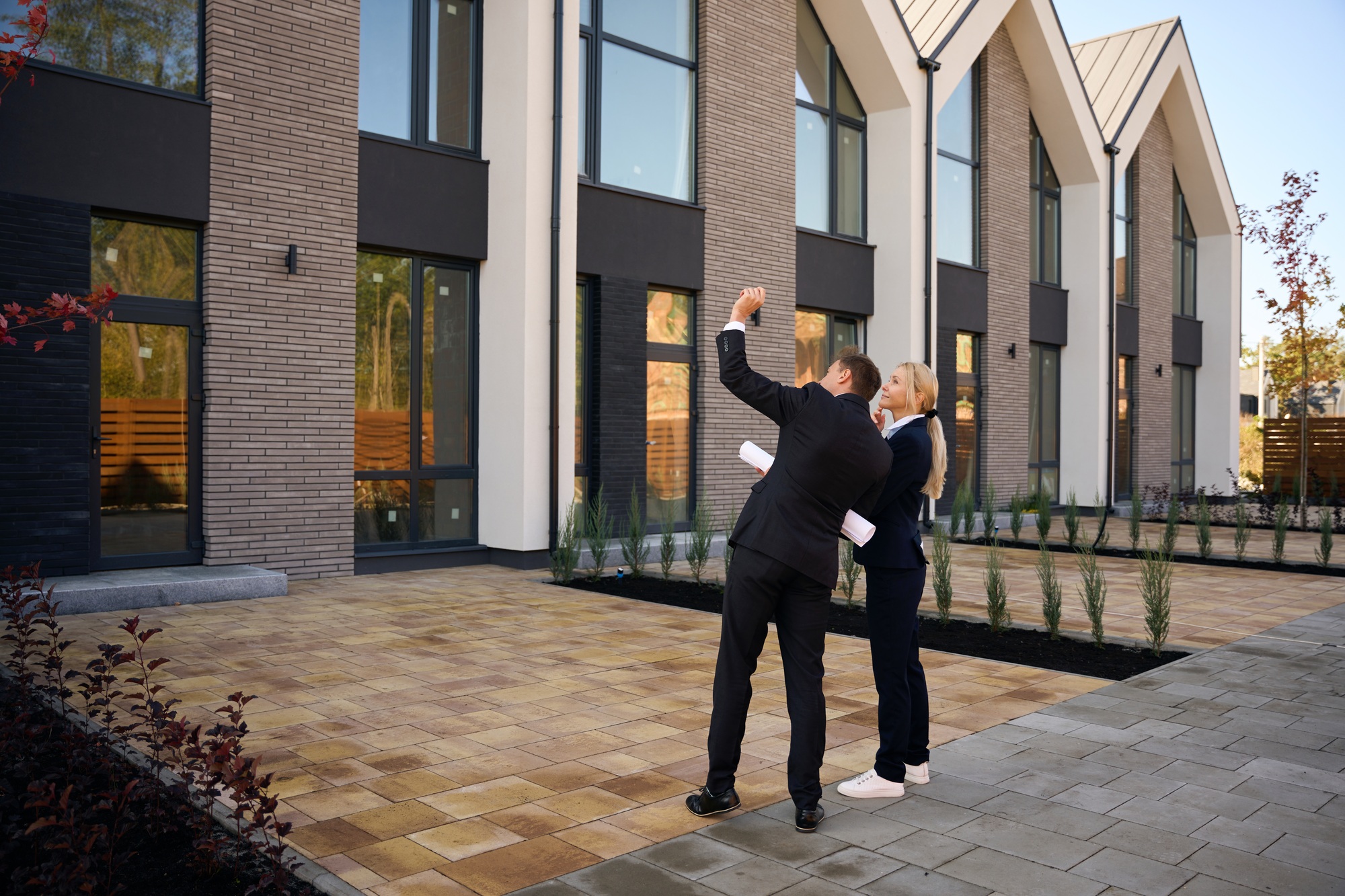
Ready to ensure your building’s compliance? Contact us now to schedule your inspection and receive a detailed quote!

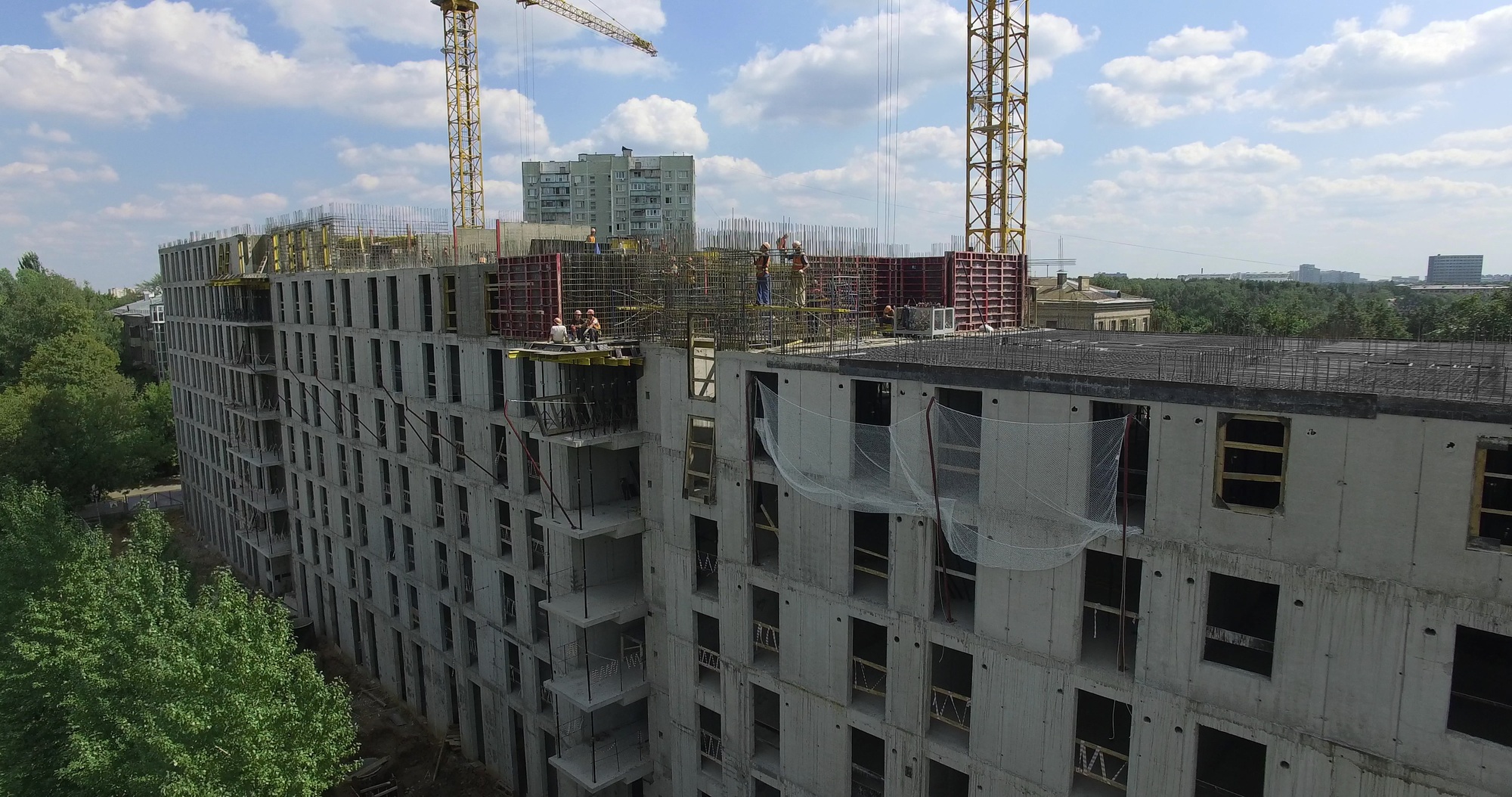

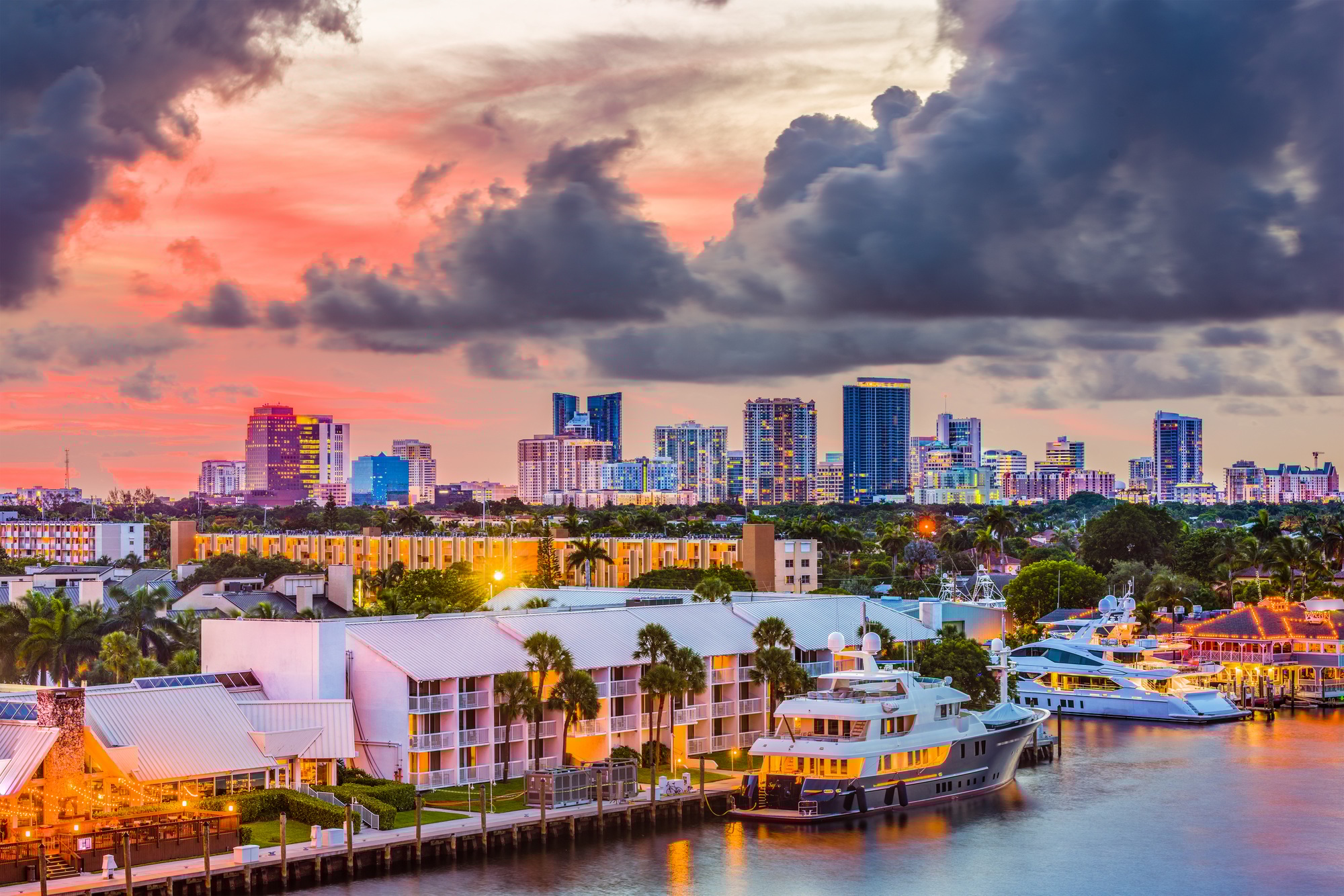
Don’t let deadlines or compliance requirements overwhelm you. Our licensed professionals are here to ensure your building meets all standards with ease and efficiency.
Our team of licensed professionals ensures a smooth and hassle-free process from start to finish.
Have questions? We’re ready to provide clear, accurate information tailored to your needs.
Explore insights, industry news, and expert tips on building inspections, recertifications, and compliance standards.
Subscribe now to keep reading and get access to the full archive.